

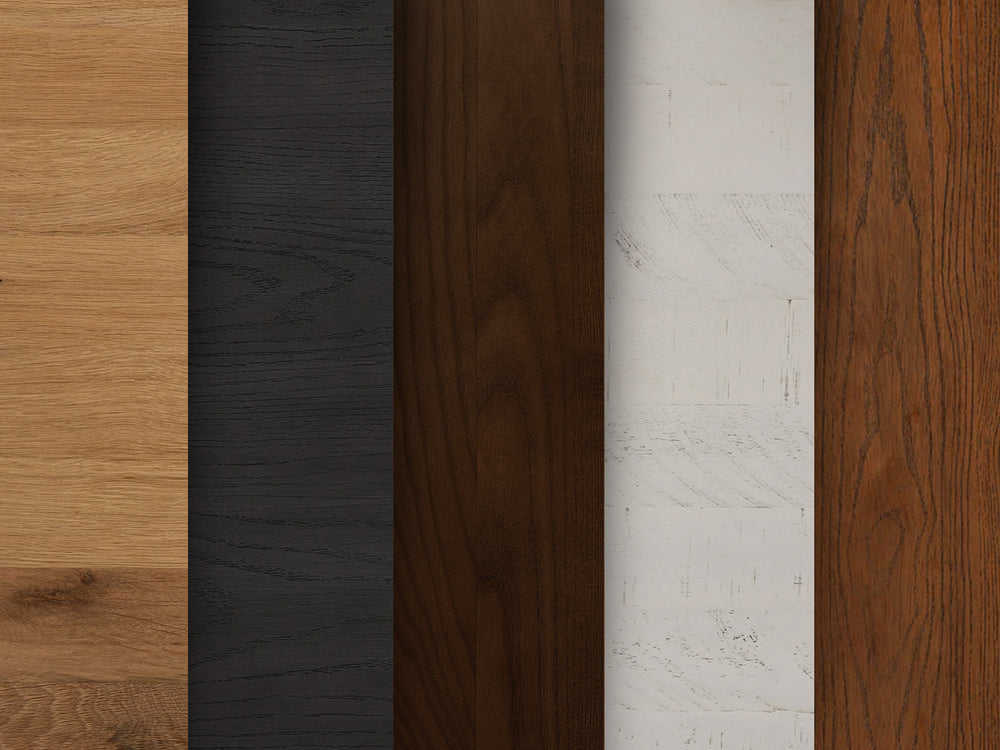
Solid Wood, Wood Veneer, and Engineered Wood Care
Dusting: Dust frequently with a soft, dry cloth to prevent buildup. Static dusters and microfiber cloths are excellent for removing dust without scratching surfaces.
Spills: Clean up spills immediately with a soft dry cloth to prevent staining, watermarks, and moisture damage.
Cleaning: Clean surfaces with a soft cloth and a quality wood cleaner, following the grain and the manufacturer’s instructions. Always perform a spot test in an inconspicuous area to ensure no discoloration occurs before cleaning the entire piece of furniture. Avoid using excessively wet cloths to prevent moisture damage.
Avoid Abrasives: Do not use all-purpose cleaners, aerosol sprays, oil-based waxes, abrasive polishes, bleach, scouring pads, or powdered cleansers, as they can scratch and damage the finish.
Everyday Protection: Use protective textiles, coasters, and trivets under drinkware, dinnerware, cutlery, cookware, and other items to avoid direct contact with the furniture's surface.
Positioning: Keep furniture away from prolonged direct sunlight and heat sources to prevent warping, discoloration, or cracking.
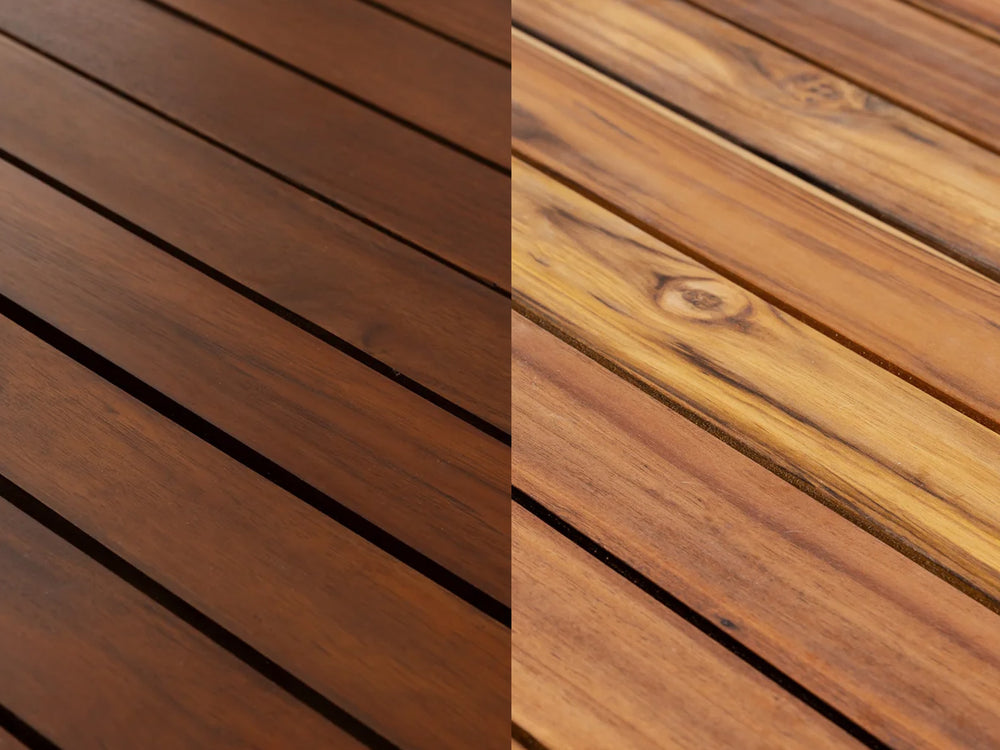
Teak Wood Care
Spills: Clean up spills immediately with a soft dry cloth to prevent staining, watermarks, and moisture damage.
Cleaning: Clean surfaces with a soft cloth and a cleaner specifically designed for teak wood, following the grain and the manufacturer’s instructions. Always perform a spot test in an inconspicuous area to ensure no discoloration occurs before cleaning the entire piece of furniture.
Avoid Abrasives: Do not use all-purpose cleaners, aerosol sprays, oil-based waxes, abrasive polishes, bleach, scouring pads, or powdered cleansers, as they can scratch and damage the finish.
Everyday Protection: Use protective textiles, coasters, and trivets under drinkware, dinnerware, cutlery, cookware, and other items to prevent direct contact with the furniture’s surface.
Weather Protection: When not in use, cover the furniture with protective covers designed for outdoor use to shield it from direct sunlight, rain, and other environmental factors.
Storage: In regions with harsh winters or extreme weather, we recommend storing the furniture indoors during the off-season for optimal longevity.
Maintenance: To maintain the look and longevity of your teak wood, periodically apply teak oil to rejuvenate the wood and protect it from the elements. Follow the manufacturer's instructions for application and always perform a spot test to ensure no discoloration occurs.
Natural Teak Aging: Teak wood naturally ages and develops a silver-gray patina over time when exposed to sunlight and rain. This aging process does not affect the structural integrity of the furniture. Small surface cracks, known as "checking," may also appear and are a natural occurrence that does not compromise the durability of the furniture.
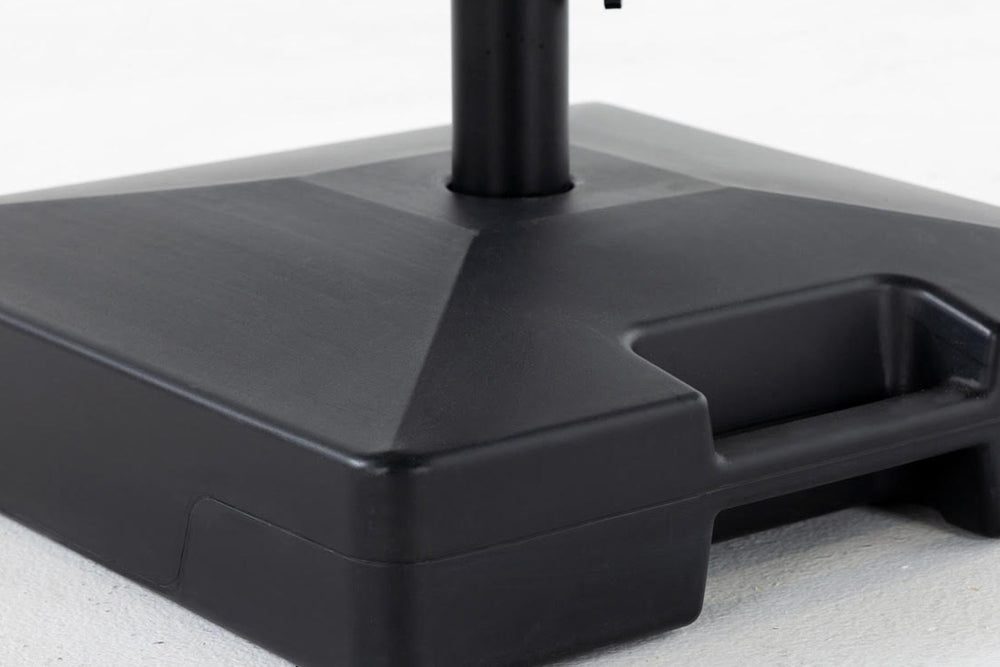
HDPE (High-Density Polyethylene) Care
Cleaning: Clean surfaces with a soft cloth and water or a diluted neutral household detergent (less than 5% concentration). Always perform a spot test in an inconspicuous area to ensure no discoloration occurs before applying to the entire piece of furniture.
Avoid Abrasives: Do not use any solvents, such as rubbing alcohol, dishwasher liquid, all-purpose cleaners, aerosol sprays, oil-based waxes, abrasive polishes, bleach, scouring pads, or powdered cleansers, as these can scratch and weaken the HDPE, leading to premature wear and discoloration.
Everyday Protection: Use protective textiles, coasters, and trivets under drinkware, dinnerware, cutlery, cookware, and other items to avoid direct contact with the furniture's surface. Keep the furniture away from exposed heat sources, which could cause warping or damage.
Weather Protection: When not in use, cover the furniture with protective covers specifically designed for outdoor use to shield it from direct sunlight, rain, and other environmental factors.
Storage: In regions with harsh winters or extreme weather, we recommend storing the furniture indoors during the off-season for optimal longevity.

HIPS (High Impact Polystyrene) Care
Cleaning: Clean surfaces with a soft cloth and water or a mixture of diluted mild soap and water. If using soap, rinse the surface with clean water to remove any residue. Always perform a spot test in an inconspicuous area to ensure no discoloration occurs before cleaning the entire piece of furniture.
Avoid Abrasives: Do not use any solvents, such as rubbing alcohol, dishwasher liquid, all-purpose cleaners, aerosol sprays, oil-based waxes, abrasive polishes, bleach, scouring pads, or powdered cleansers, as these can scratch and degrade the structural integrity of the HIPS, leading to premature wear and discoloration.
Everyday Protection: Use protective textiles, coasters, and trivets under drinkware, dinnerware, cutlery, cookware, and other items to avoid direct contact with the furniture's surface. Keep the furniture away from exposed heat sources to prevent warping or damage.
Weather Protection: When not in use, cover the furniture with protective covers specifically designed for outdoor use to shield it from direct sunlight, rain, and other environmental factors.
Storage: In regions with harsh winters or extreme weather, we recommend storing the furniture indoors during the off-season for optimal longevity.

Steel Care
Cleaning: Clean the surface with a soft cloth and mild detergent, following the manufacturer’s instructions. Always perform a spot test in an inconspicuous area to ensure no discoloration occurs before cleaning the entire piece of furniture.
Avoid Abrasives: Do not use all-purpose cleaners, aerosol sprays, oil-based waxes, abrasive polishes, bleach, scouring pads, or powdered cleansers, as they can scratch and damage the finish.
Corrosion Prevention: Protect steel components from excessive moisture exposure to prevent rust and corrosion.
Weather Protection: When not in use, cover the furniture with protective covers specifically designed for outdoor use to shield it from direct sunlight, rain, and other environmental factors.
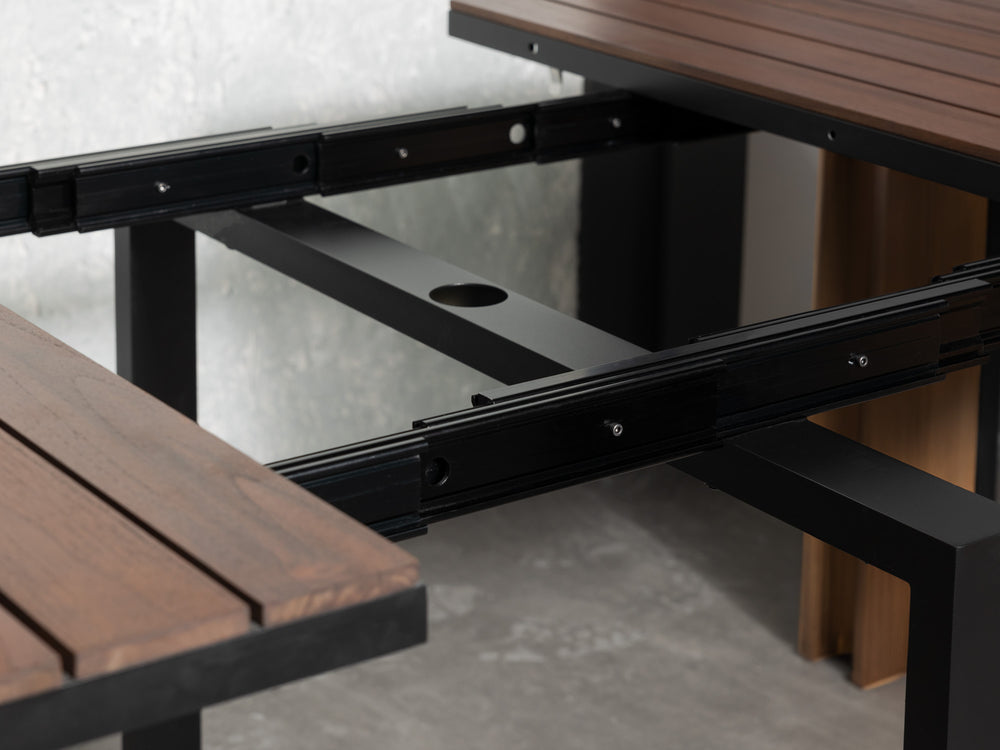
Aluminum Care
Cleaning: Clean the surface with a soft cloth and mild detergent, following the manufacturer’s instructions. Always perform a spot test in an inconspicuous area to ensure no discoloration occurs before cleaning the entire piece of furniture.
Avoid Abrasives: Do not use all-purpose cleaners, aerosol sprays, oil-based waxes, abrasive polishes, bleach, scouring pads, or powdered cleansers, as they can scratch and damage the finish.
Corrosion Prevention: Although aluminum is naturally rust-resistant, proper care is crucial. Avoid exposing aluminum to excessive moisture, which can lead to corrosion.
Weather Protection: When not in use, cover the furniture with protective covers specifically designed for outdoor use to shield it from direct sunlight, rain, and other environmental factors.
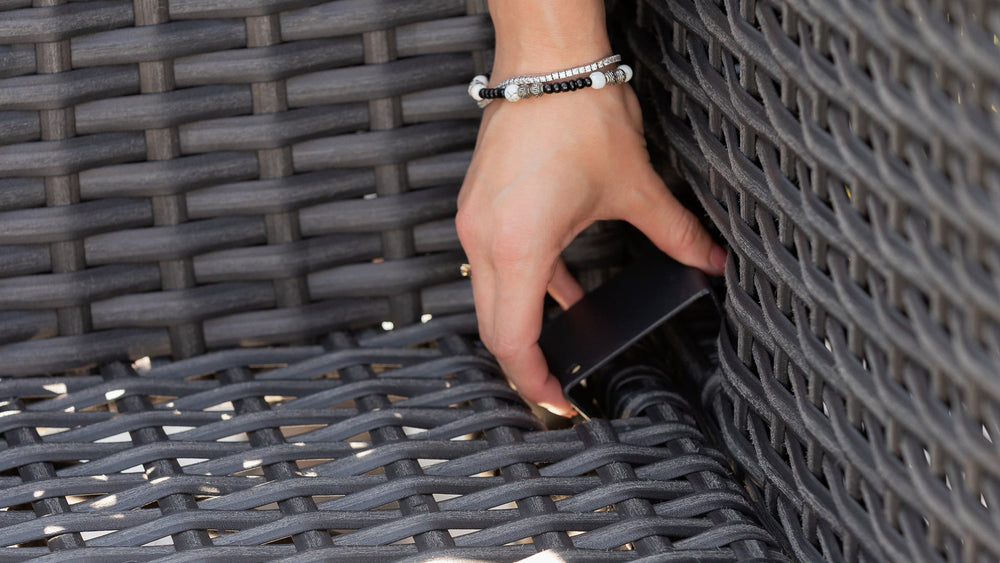
Resin Wicker Care
Dusting: Dust frequently with a soft, dry cloth to prevent buildup.
Cleaning: Clean surfaces with a soft cloth and water or a mixture of diluted mild soap and water. If using soap, rinse the surface with clean water to remove any residue. Always perform a spot test in an inconspicuous area to ensure no discoloration occurs before cleaning the entire piece of furniture.
Avoid Abrasives: Do not use all-purpose cleaners, aerosol sprays, oil-based waxes, abrasive polishes, bleach, scouring pads, or powdered cleansers, as they can scratch and damage the finish.
Weather Protection: When not in use, cover the furniture with protective covers designed for outdoor use to shield it from direct sunlight, rain, and other environmental factors. Never leave furniture standing in water.
Storage: In regions with harsh winters or extreme weather, we recommend storing the furniture indoors during the off-season for optimal longevity. Ensure the furniture is completely dry before storing it. Avoid storing furniture upside down to prevent water accumulation in frames, which can lead to damage in freezing conditions.
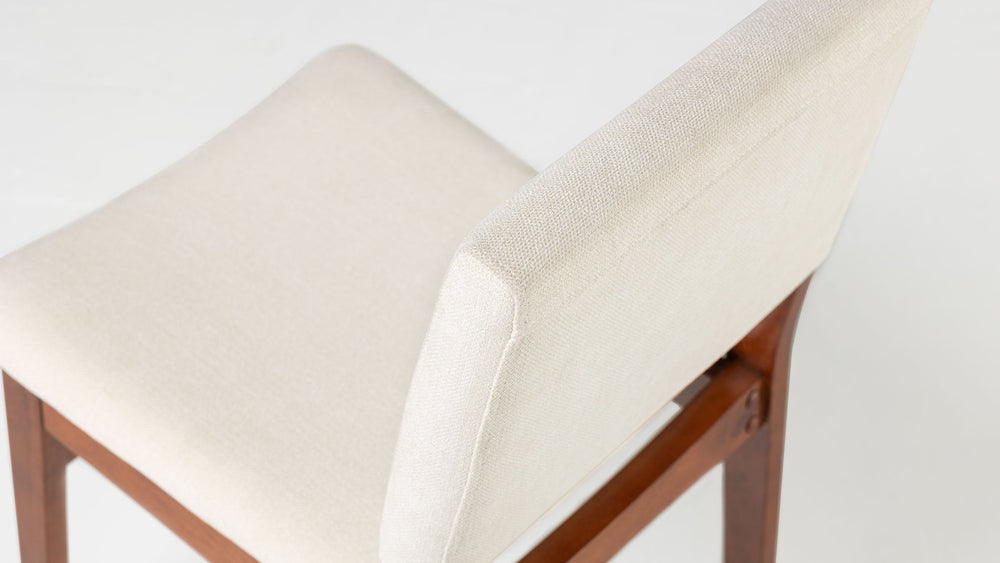
100% Polyester Care (indoors)
Care Instructions: Follow care label instructions.
Dusting: Dust frequently with a soft, dry cloth to prevent buildup.
Positioning: Position away from prolonged direct sunlight and heat sources.
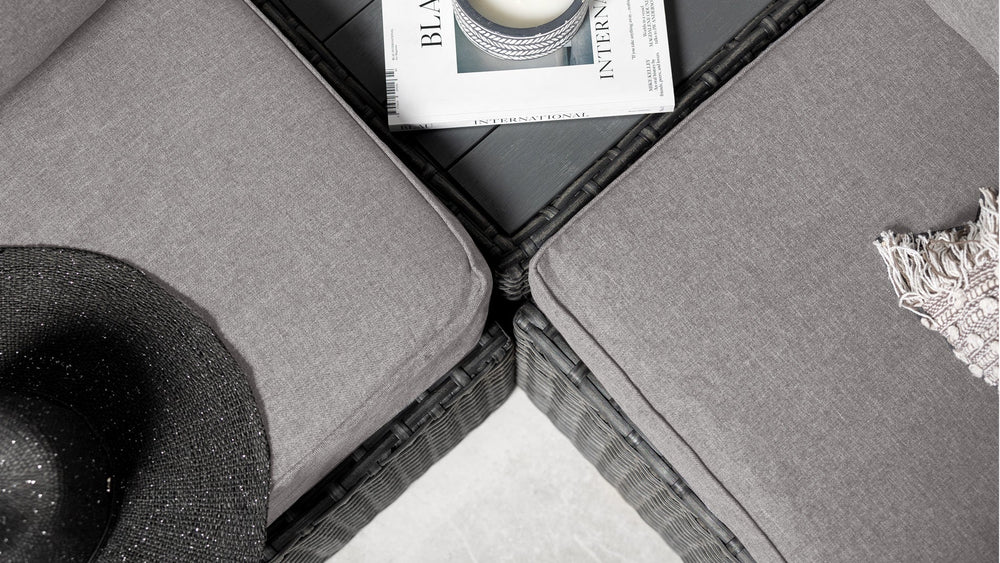
100% Solution-Dyed Polyester Care (outdoors)
Care Instructions: Follow care label instructions.
Dusting: Dust frequently with a soft, dry cloth to prevent buildup.
Weather Protection: When not in use, cover the furniture with protective covers designed for outdoor use to shield it from direct sunlight, rain, and other environmental factors.
Storage: In regions with harsh winters or extreme weather, we recommend storing the furniture indoors during the off-season for optimal longevity.
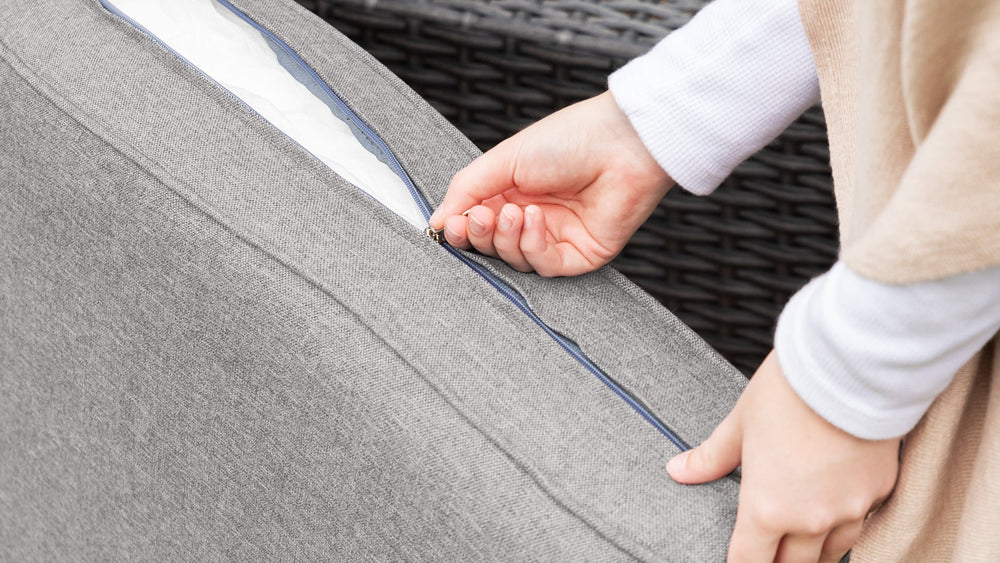
Sunbrella® Upholstery - Canvas
Care Instructions: Follow care label instructions.
Cleaning Instructions: Refer to the manufacturer's website for further cleaning instructions.
Dusting: Dust frequently with a soft, dry cloth to prevent buildup.
Weather Protection: When not in use, cover the furniture with protective covers designed for outdoor use to shield it from direct sunlight, rain, and other environmental factors.
Storage: In regions with harsh winters or extreme weather, we recommend storing the furniture indoors during the off-season for optimal longevity.
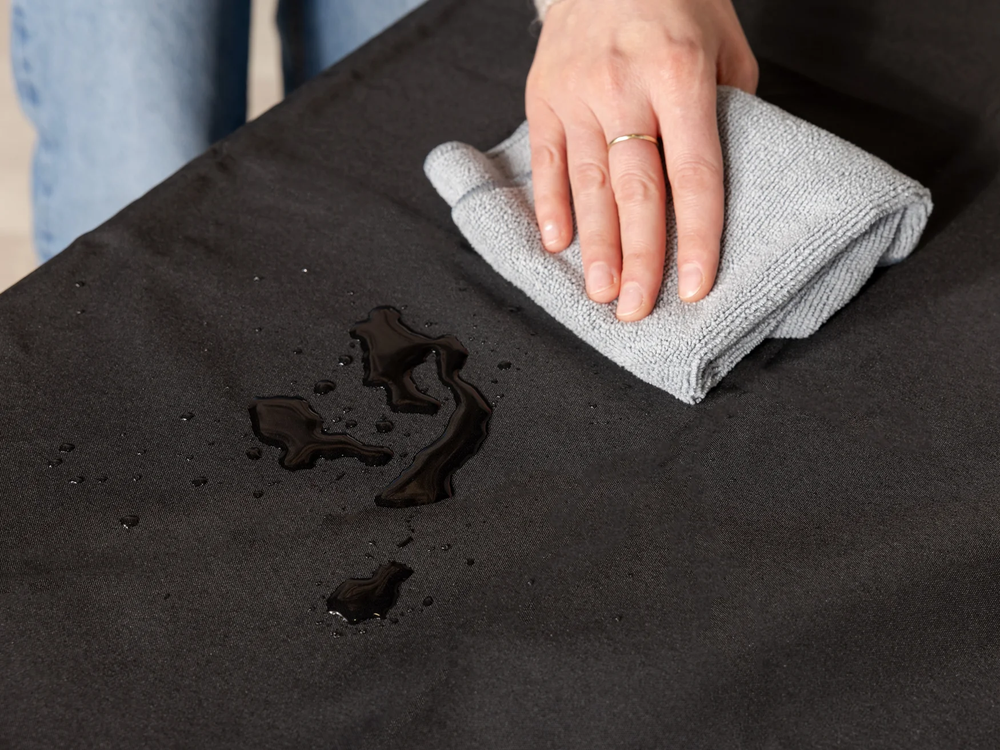
Polyester 300D
- Polyester: A synthetic fiber derived from coal, air, water, and petroleum. It is widely used in textiles due to its strength, durability, and resistance to shrinking and stretching.
- 300D: The "D" stands for denier, which is a unit of measurement for the thickness or density of the fibers in the fabric. In this case, 300 denier indicates that the fabric is relatively lightweight yet strong.
Polyester 300D fabric is known for being durable, water-resistant, and quick-drying, making it suitable for various applications such as backpacks, tents, outdoor furniture covers, and other products requiring robust and reliable material.
Maintaining and cleaning polyester 300D fabric is relatively straightforward due to its durability and resistance to many common stains. Here are some steps and tips to help you keep your polyester 300D fabric in good condition:
- Dust and Debris Removal:
- Regularly brush off any loose dirt or debris with a soft-bristle brush.
- Shake out the fabric to remove dust and larger particles.
- Spot Cleaning:
- For minor spills or spots, use a damp cloth or sponge with a mild detergent to blot the area gently.
- Avoid rubbing harshly, as it may damage the fibers. Avoid Harsh Chemicals, Refrain from using bleach, strong solvents, or abrasive cleaners, as they can damage the fabric.